
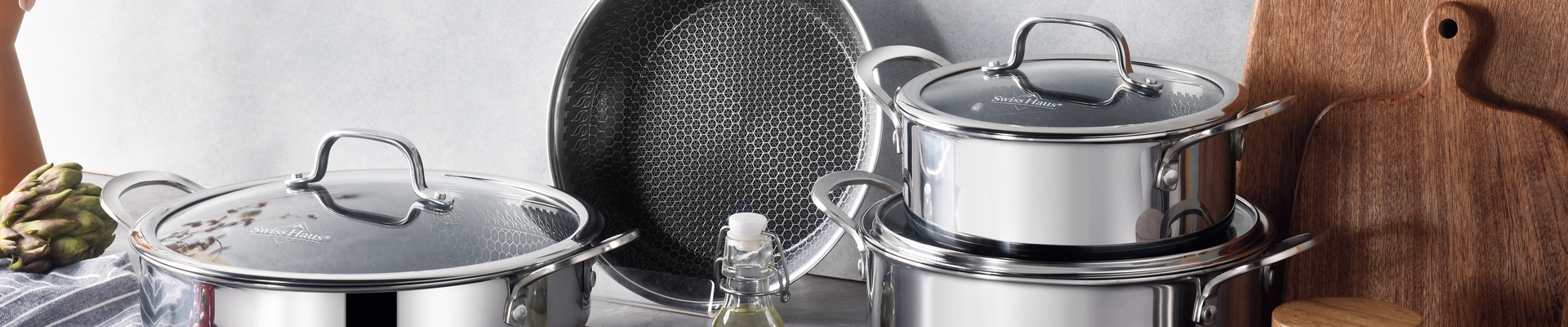
Care Tips for Pots
The maintenance and usage of pots are just as important as cleaning them. Simple daily care can effectively prevent cracking and leaks, extending the pot's lifespan. Key points focus on “preventing impacts, avoiding water accumulation, and resisting corrosion”[4].
1. Daily Care: Before each use, inspect the pot for cracks or damage. If minor cracks are found, apply a small amount of cooking oil to the affected area and heat gently over low flame for a moment to temporarily repair it. Avoid high heat during use; maintain medium-low heat throughout cooking. After each wash, ensure the pot is thoroughly dried before storing to prevent water accumulation, mold growth, and subsequent cracking.
2. Periodic Maintenance: Conduct deep maintenance monthly by boiling the pot in rice washing water for 5-10 minutes. After turning off the heat, allow it to cool naturally before rinsing clean and air-drying. Rice washing water nourishes the pot, seals microscopic pores, smooths the glaze surface, and reduces sticking. Alternatively, boil the pot in vinegar water monthly to disinfect, sterilize, and remove mineral deposits.
3. Long-Term Storage: If the pot will be unused for an extended period, thoroughly clean and dry it. Apply a thin layer of cooking oil to the inner surface to form a protective film, preventing the glaze from drying and cracking. Store the pot in a dry, well-ventilated cabinet, away from damp environments. Place a sheet of paper towel under the pot to absorb moisture and prevent contact with hard objects.
4. Handling Damage: If the pot develops significant cracks or leaks severely, rendering it unusable, discontinue use immediately to prevent explosions or burns during heating. Replace it promptly. For minor cracks, you may temporarily seal them by boiling rice water or noodle broth inside the pot, using the viscosity to fill the fissures for emergency use.