
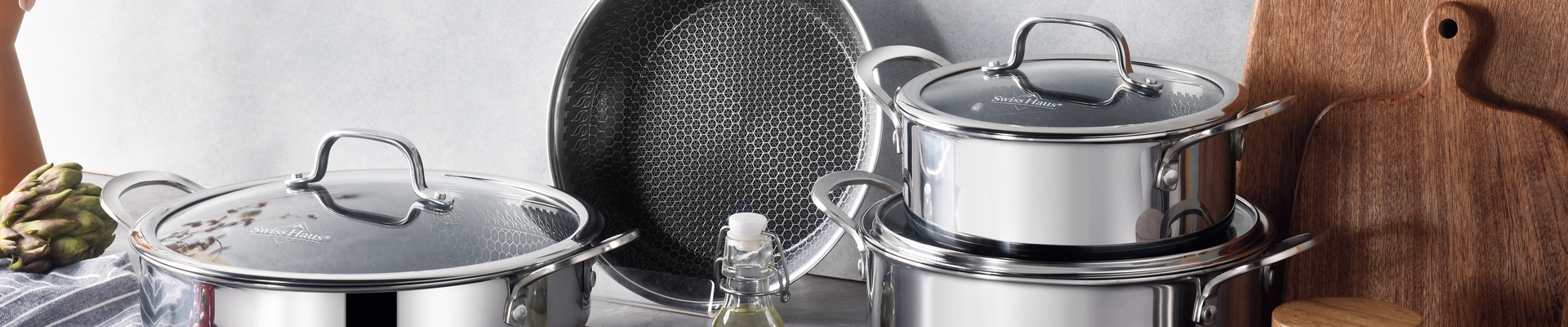
Steps for Seasoning a New Pot
Newly purchased pots often have fine sand particles and pinholes on their inner walls. Using them directly can lead to cracking, leaks, and food sticking to the bottom. Proper seasoning is essential to extend their lifespan and ensure smoother use later. The seasoning process is simple, requires no complex tools, and can be easily done at home. Its core principles are “removing impurities, sealing pinholes, and conditioning the pot body.”
1. Initial Cleaning to Remove Impurities: Rinse the interior and exterior surfaces of the pot with clean water to remove surface dust and fine grit. Avoid using hard-bristled brushes or steel wool pads, as these can scratch the glaze, leading to future sticking and cracking. If significant grit is present, gently wipe with a soft sponge, then rinse thoroughly with clean water.
2. Boil Rice Water to Seal Pores: Fill the pot halfway with rice water (its viscosity effectively seals pores). Bring to a vigorous boil over high heat. Once boiling, use chopsticks to hold a clean dishcloth, dip it in the rice water, and repeatedly wipe the pot's interior. This allows the rice water to fully penetrate pores and crevices. After boiling for 5-10 minutes, turn off the heat, discard the water, and allow the pot to cool naturally to room temperature.
3. Dry and Oil to Condition the Pot: Wipe the cooled pot dry, then place it on the stove over low heat to slowly evaporate any residual moisture. Maintain low heat throughout to avoid sudden high temperatures. After turning off the heat, wait until the pot is cool enough to handle. Apply a thin layer of cooking oil to the inner surface and let it sit for half a day. This allows the oil to fully penetrate the glaze, forming a protective coating. Before use, gently scrub with clean water. This process prevents leaks and reduces the likelihood of food sticking to the bottom.
Tip: If a new pot has numerous pinholes and leaks easily, boil a batch of noodle soup or thin porridge during the initial seasoning. After cooking, do not rinse immediately. Instead, place the pot near the stove until the starch residue dries and hardens. This residue will seal the tiny pinholes. Once dried, wash the pot thoroughly to completely resolve the leakage issue.