
The Complete Guide to Cleaning Your Pasta Pot
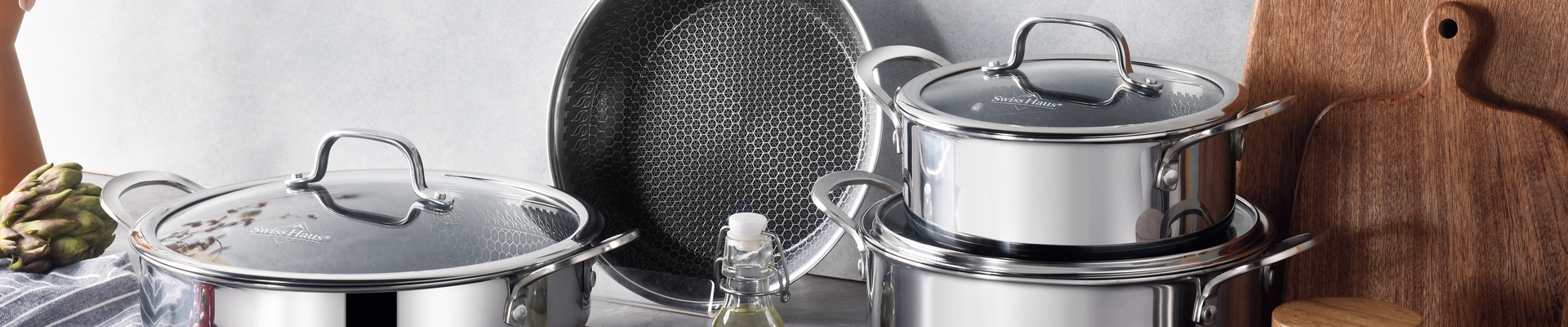
Pasta pots have become indispensable kitchen tools for cooking noodles, blanching vegetables, and simmering sauces thanks to their convenient strainer design and even heat distribution. However, improper cleaning after use can leave behind pasta residue and grease, potentially damaging the pot and shortening its lifespan. The core of pasta pot cleaning is actually quite simple: clean while hot to prevent starch from drying and hardening, thoroughly scrub hard-to-reach corners, and protect the pot scientifically based on its material. No complicated tools are needed to achieve a clean and hassle-free result. The detailed cleaning guide below covers daily cleaning, heavy-duty stain removal, material restrictions, and maintenance tips, suitable for all mainstream pasta pots. Even beginners can master it easily.
I. Daily Quick Clean: 1-Minute Descaling After Cooking/Blanching
Whether cooking pasta, noodles, or blanching greens/seafood, the key to tackling light grease is “while hot.” Starch hardens and sticks to the pot when cooled. Washing a cold pot is not only laborious but also risks scratching the surface. No complicated steps needed—just grab and go.
1. Drain but retain broth: After cooking ingredients, use the pasta pot's drain holes/strainer lid to remove liquid. Don't empty the pot completely—leave a small amount of warm pasta broth or water. The residual warmth quickly dissolves starch residue on the bottom and sides, reducing scrubbing effort.
2. Gently wipe away residue: Use a soft sponge or silicone brush to lightly wipe the pot walls and bottom, focusing on removing stuck-on pasta bits and light grease. No dish soap is needed—plain water easily removes light grease, preventing soap residue that could affect future use.
3. Rinse and dry to prevent water buildup: Rinse the pot thoroughly under warm running water, ensuring no pasta residue or slippery film remains. Then thoroughly dry the pot inside and out with a dry cloth, especially around the handle joint and drain holes. These crevices trap water easily; prolonged moisture can cause mineral buildup and, in stainless steel models, rust.
Pasta pots have become indispensable kitchen tools for cooking noodles, blanching vegetables, and simmering sauces thanks to their convenient strainer design and even heat distribution. However, improper cleaning after use can leave behind pasta residue and grease, potentially damaging the pot and shortening its lifespan. The core of pasta pot cleaning is actually quite simple: clean while hot to prevent starch from drying and hardening, thoroughly scrub hard-to-reach corners, and protect the pot scientifically based on its material. No complicated tools are needed to achieve a clean and hassle-free result. The detailed cleaning guide below covers daily cleaning, heavy-duty stain removal, material restrictions, and maintenance tips, suitable for all mainstream pasta pots. Even beginners can master it easily.
II. Heavy Grease/Dried-On Residue Cleaning: No Scraping for Burnt-On or Scaled Deposits
If you use your pasta pot to simmer pasta sauce, braise dishes, or fry snacks, heavy grease stains will form. If you forget to clean it while hot, starch may dry and harden on the walls or bottom, or even cause slight scorching. Never use steel wool pads or metal scrapers to scrape these stains, as this will severely damage the pot. Instead, use the “soak to soften + gentle descaling” method to easily remove stains.
1. Soak to soften stains: Fill the pot with warm water covering the stains, add a small amount of mild dish soap, stir well, and soak for 5-10 minutes. This fully softens dried starch and solidified grease, while loosening minor scorching.
2. Gently Scrub Away Residue: Use a soft sponge or scouring pad (avoid non-stick surfaces) to lightly wipe the pan. For stubborn burnt-on residue or scale, dab a small amount of baking soda (white powder, mild and non-corrosive) onto the affected area and scrub repeatedly. Baking soda quickly breaks down grease and dried starch without harsh scraping.
3. Thoroughly rinse and dry: Use running warm water to completely rinse away all dish soap residue and baking soda from both inside and outside the pan, ensuring no slippery film remains. After rinsing, dry with a clean cloth or air-dry in a well-ventilated area to prevent water retention.
Tip: For severely burnt-on residue, add warm water to the pot, bring to a boil over high heat for 1-2 minutes, then turn off the heat and let it soak for 10 minutes. This will loosen the stains, making subsequent wiping much easier.
III. Key Hard-to-Reach Areas: Drain Holes/Strainer Lids—Don't Overlook Them
The drain holes and strainer lids of pasta pots are prime spots for grime buildup. Pasta residue and starch from cooking, along with oil residue from sauce preparation, can get trapped in the crevices. Failure to clean these areas promptly not only leads to odors and mold but can also clog the drain holes, affecting future use. These two components require thorough cleaning.
(1) Cleaning Drain Holes
Select appropriate tools based on hole size to remove trapped pasta residue and starch:
1. Fine-hole pasta pots: Gently insert toothpicks, dental floss, or specialized kitchen brushes (e.g., bottle brushes, crevice brushes) into drain holes to dislodge debris. Avoid excessive force to prevent damaging hole edges.
2. Wide-hole pasta pots: Directly brush the surface of the drain holes with a soft-bristled brush. Dip the brush in a small amount of dish soap solution and focus on scrubbing the gaps between the holes. Then, rinse thoroughly with warm running water, directing the flow from the inside of the holes outward to ensure no residue remains.
(II) Cleaning the Strainer Lid
Strainer lids come in removable and integrated types, with slightly different cleaning methods, but both focus on removing residue from the strainer mesh gaps:
1. Removable Filter Cover: Remove the cover and soak it in a container with warm water and dish soap for 5 minutes. Use a soft-bristled brush to scrub every crevice of the filter, thoroughly removing any leftover food particles and grease. Rinse clean, dry with a cloth, then reinstall onto the pot body.
2. Integrated Filter Cover: Since it cannot be disassembled, dampen a cloth with dish soap, wrap it tightly around the filter surface, and gently wipe the crevices. Then, use a showerhead or faucet to rinse the filter repeatedly, ensuring no blockages or residue remain. Finally, wipe it dry with a clean cloth.