
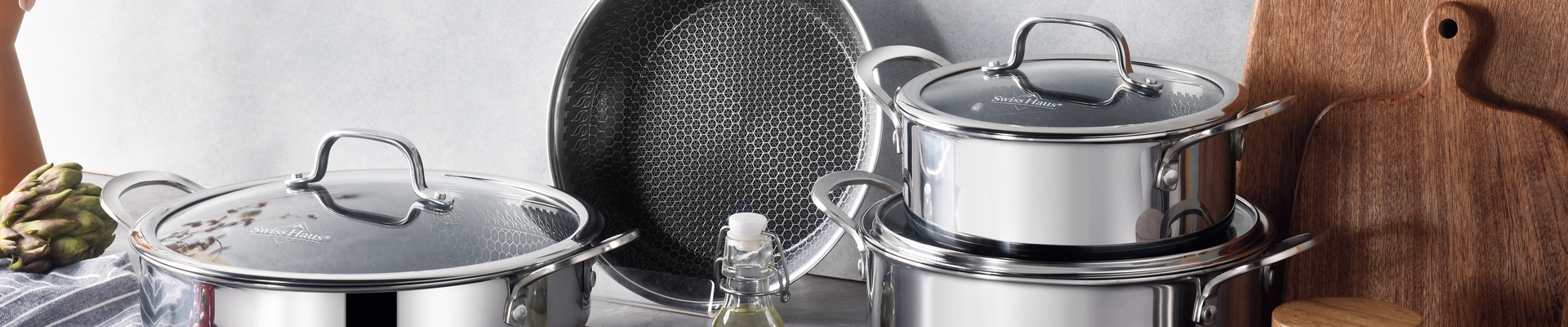
The Complete Guide to Using Pots
The pot, with its excellent ventilation, even heat distribution, and slow heat dissipation, has become an ideal tool in the kitchen for simmering soups, stewing dishes, and cooking congee. Ingredients slow-cooked in it become tender and flavorful, while the broth remains rich, mellow, and lingering—making it the “soup-making essential” in many households. However, as ceramicware with unique properties, improper selection, incorrect usage, or inadequate cleaning and maintenance can easily lead to cracking, leaks, or scorched bottoms, shortening its lifespan. This guide consolidates essential tips for selecting pots, seasoning new pots, daily usage, cleaning tricks, maintenance techniques, and pitfall avoidance—packed with practical knowledge even beginners can master, ensuring your pot remains durable and hassle-free.
Pot Selection Tips: Choose Wisely to Avoid Pitfalls, Ensure Durability and Safety
The market offers numerous pot varieties, categorized by material into traditional pots, lithium feldspar pots, and iron-banded pots. Different styles suit varying scenarios and offer differing durability. When selecting, focus on ceramic quality, structure, and safety. Choose based on your needs rather than following trends blindly.
(1) Material Selection: Choose Based on Needs, Balancing Durability and Safety
1. Traditional Pots: Made from quartz, feldspar, and other materials fired at high temperatures. They offer excellent breathability and absorbency, maximizing the release of ingredients' natural flavors. Ideal for slow simmering and gentle braising, but they are not resistant to temperature changes. Sudden cooling or heating can cause cracking, and they should never be dry-fired. Suitable for those prioritizing taste and willing to maintain them carefully.
2. Lithium-enhanced Pots: Traditional materials are modified with lithium ore, preserving the advantages of classic pots while enhancing heat resistance and thermal shock tolerance. They withstand dry heating at hundreds of degrees Celsius without cracking, offering superior practicality and durability. Ideal for home use, beginners, and frequent daily users.
3. Iron-banded pots: Reinforced with thick iron bands hand-wrapped around the exterior by master craftsmen. The tightly fitted bands protect the pot body, significantly reducing cracking probability and enhancing durability. However, choose styles with sturdy, tightly wrapped iron bands, avoiding inferior ones with thin, loose wires.
(II) Selection Details: 4 Steps to Choose a Quality Pot
1. Examine the Glaze: High-quality pots feature fine-grained , often white in color. The glaze should be uniformly glossy and flawless, free from noticeable grit, bubbles, or cracks. Prioritize natural-colored interiors over brightly colored options to minimize risks from harmful substances like lead in glazes, particularly suitable for simmering acidic foods.
2. Check Structure and Seal: A well-made pot has a rational structure, sits flat, maintains a round shape, and features a smooth interior. The lid should fit snugly, with a smooth friction sensation when rotating. Once secured, it should provide an airtight seal to lock in flavors. Fill with sufficient water to test for leaks; never purchase leaky pots.
3. Assess quality by sound: Gently tap the pot body with the lid or a coin. A clear, crisp sound with resonance indicates a high-quality pot. A dull, muffled sound suggests hidden cracks, making the pot prone to breaking during use—avoid purchasing such items.
4. Check thickness and base: pots vary in thickness—prioritize thinner options for faster heat transfer and fuel efficiency. Smaller bases enhance heat distribution, simplifying daily use. Also inspect the base for flatness; avoid uneven surfaces to prevent uneven heating during cooking.